If you've been in the garment decoration business for any length of time, you've likely heard the buzz around dtf transfers. This innovative printing method has taken the apparel industry by storm, offering unmatched versatility and vibrant results. Whether you're a seasoned screen printer looking to expand your offerings or a newcomer eager to understand the latest technology, this guide will walk you through everything you need to know about DTF transfers and how they can elevate your business.
What Are DTF Transfers?
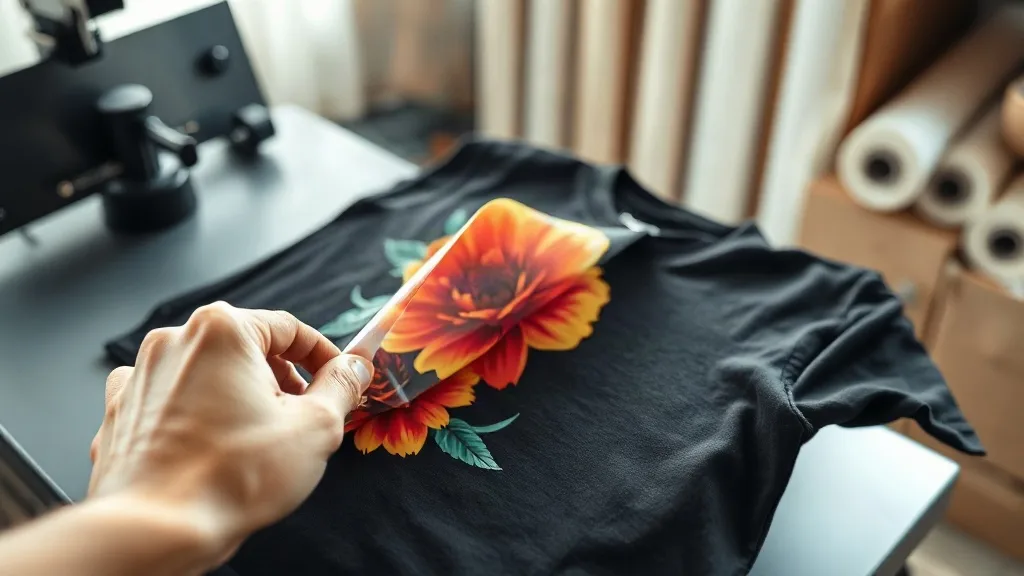
DTF stands for Direct-to-Film, a printing technique where designs are printed onto a special film and then transferred to fabric using a heat press. Unlike direct-to-garment (DTG) printing, which requires pretreatment and can be finicky on certain fabrics, DTF transfers work on a wide range of materials, including cotton, polyester, blends, and even nylon. The process involves printing a design onto a PET film with a specialized ink, applying a powder adhesive, and then pressing it onto the garment. The result is a soft, durable print with excellent color vibrancy and stretchability.
Why DTF Transfers Are Gaining Popularity
The rise of dtf technology is no accident. It addresses many pain points that decorators face with traditional methods. For starters, DTF transfers eliminate the need for color separations and screens, making short runs and one-offs cost-effective. The prints are also incredibly durable, resisting cracking, fading, and peeling even after numerous washes. Plus, DTF transfers can be applied to hard-to-print areas like seams, zippers, and pockets, opening up new creative possibilities.
Cost-Effectiveness for Small Businesses
For small print shops, investing in DTF equipment can be a game-changer. The ability to produce full-color transfers without minimum order quantities means you can take on small, custom orders without breaking the bank. And if you're not ready to invest in a printer, you can always order dtf transfers near me from a reputable supplier and still enjoy the benefits.
Versatility Across Fabrics
One of the biggest advantages of DTF transfers is their compatibility with a wide range of fabrics. Whether you're working with 100% cotton t-shirts, polyester jerseys, or even canvas bags, DTF transfers adhere beautifully. This versatility makes them ideal for sports teams, corporate events, and fashion lines that use diverse materials.
The DTF Transfer Process Step by Step
Understanding the process helps you troubleshoot issues and produce consistent results. Here's a breakdown of the key steps:
- Design Preparation: Create your artwork in a vector or high-resolution raster format. Remember to mirror the design since it will be transferred face-down.
- Printing: Using a DTF printer, the design is printed onto a PET film with white ink as a base (for opacity) and CMYK colors on top.
- Powder Application: While the ink is still wet, a hot-melt adhesive powder is applied evenly over the design. Excess powder is shaken off.
- Curing: The film is then heated to melt the powder, creating a adhesive layer that will bond with the fabric.
- Transfer: The cured film is placed on the garment and pressed with a heat press at a specific temperature and pressure for a set time. Once cooled, the film is peeled away, leaving the design behind.
Key Benefits of DTF Transfers
So why should you consider adding DTF to your production lineup? Here are some compelling reasons:
- Vibrant Colors: DTF prints can achieve bright, eye-catching colors that pop on both light and dark garments.
- Durability: The prints stretch with the fabric and withstand repeated washing without cracking.
- No Pretreatment: Unlike DTG, DTF doesn't require pretreatment, saving time and reducing chemical use.
- Works on Multiple Fabrics: From cotton to polyester to blends, DTF adheres well to many materials.
- Cost-Effective for Short Runs: No setup costs mean you can profitably produce small batches.
Choosing the Right DTF Transfers Near Me
If you're looking to outsource your DTF transfers, finding a reliable supplier is crucial. When searching for dtf transfers near me, consider the following factors to ensure you get high-quality products:
- Reputation: Look for reviews and testimonials from other businesses. A supplier with a strong track record is more likely to deliver consistent quality.
- Turnaround Time: Time is money. Choose a supplier that offers quick turnaround, especially for rush orders.
- Material Quality: Inquire about the films and inks used. Premium materials result in better durability and color vibrancy.
- Customer Service: Responsive support can make all the difference if you encounter issues.
- Pricing: While you shouldn't sacrifice quality for price, compare quotes to ensure you're getting a fair deal.
Taking the time to vet your supplier will save you headaches down the road and keep your customers happy.
Common Challenges and How to Overcome Them
Even with a superior technology like DTF, you might run into a few hiccups. Here are some common issues and their solutions:
- Adhesion Problems: If the transfer peels, it could be due to insufficient pressure, incorrect temperature, or the fabric not being properly prepared. Always pre-press the garment to remove moisture and wrinkles.
- Color Fading: Use high-quality inks and ensure proper curing. Also, wash garments inside out in cold water to prolong print life.
- Film Residue: Sometimes a bit of film remains on the garment after peeling. This usually happens if the transfer is peeled too early. Allow it to cool completely before peeling.
DTF vs. Other Printing Methods
How does DTF stack up against screen printing, DTG, and vinyl? Let's compare:
DTF vs. Screen Printing
Screen printing is cost-effective for large orders but requires setup and is limited to certain fabrics. DTF excels in short runs and complex designs with gradients, and it works on more materials.
DTF vs. DTG
DTG is great for 100% cotton but struggles with polyester and blends. DTF handles both and doesn't require pretreatment, making it a more versatile option.
DTF vs. Vinyl
Vinyl is durable but limited to simple designs and solid colors. DTF can reproduce intricate details and full-color images, perfect for photographic designs.
Applications of DTF Transfers
DTF transfers are used across various industries and applications. Here are some popular uses:
- Custom Apparel: T-shirts, hoodies, and hats for events, teams, and brands.
- Sportswear: Jerseys and activewear with stretchable, durable prints.
- Promotional Items: Tote bags, aprons, and uniforms for businesses.
- Fashion: High-fashion garments with intricate designs and small runs.
Frequently Asked Questions
What fabrics can I use with DTF transfers?
DTF transfers work on a wide range of fabrics, including cotton, polyester, blends, nylon, and even leather. They are not recommended for fabrics with special coatings or finishes that might prevent adhesion.
How durable are DTF transfers?
When applied correctly, DTF transfers are highly durable and can withstand 50+ washes without significant fading or cracking. Proper care, such as washing inside out in cold water, will extend the life of the print.
Can I use DTF transfers on dark garments?
Absolutely. DTF transfers include a white ink base that provides opacity, so colors remain vibrant on dark fabrics. This makes them ideal for black and navy shirts.
What equipment do I need to apply DTF transfers?
You need a heat press capable of reaching temperatures around 320°F to 350°F (160°C to 175°C) and applying consistent pressure. A heat press with a digital timer and temperature control is recommended for best results.
How do I find a reliable DTF transfer supplier near me?
Search online for dtf transfers near me and check reviews, ask for samples, and compare turnaround times. Look for suppliers with a proven track record and good customer service.
Conclusion
DTF transfers are a versatile, durable, and cost-effective solution for garment decoration. Whether you're a small business or a large operation, incorporating DTF into your offerings can help you expand your product range and delight customers. By understanding the process, benefits, and best practices, you can harness the power of DTF to grow your business. And when you're ready to source transfers, remember to choose a reputable supplier to ensure quality and reliability.