
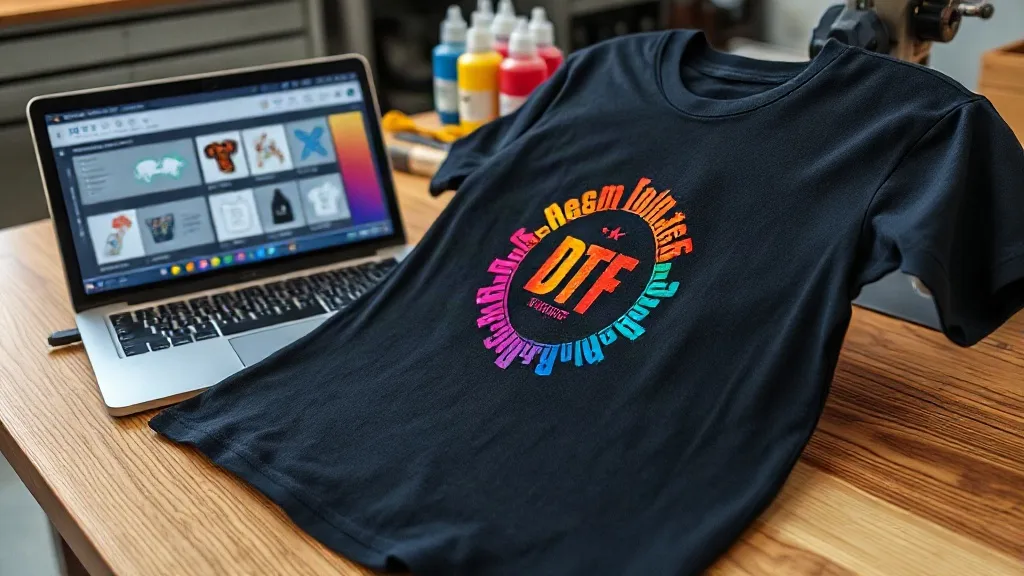
Streetwear is more than a style; it's a statement. For print shops and apparel brands, capturing that raw, authentic look starts with the right blank. shaka wear has become a go-to for many in the industry, thanks to its consistent quality and street-ready fits. When combined with DTF printing, these blanks open up a world of creative possibilities. In this guide, we'll explore how to leverage Shaka Wear blanks for DTF printing, from choosing the right fabric to mastering gangsheets and ensuring your prints survive the streets.
Why Shaka Wear Blanks Are a Streetwear Staple
Shaka Wear, a Los Angeles-based brand, has deep roots in street culture. Their blanks are known for their heavyweight fabrics, relaxed fits, and durable construction. For DTF printers, this translates to a canvas that can handle the heat and hold intricate details. Unlike flimsy fast-fashion tees, Shaka Wear garments are built to last, which means your prints have a better chance of withstanding repeated wear and washing.
One of the key advantages of Shaka Wear blanks is their consistency. When you're producing a run of 50 or 100 shirts, you need every piece to be identical. Shaka Wear delivers that reliability, so your DTF transfers adhere uniformly and your final products look professional.
Choosing the Right Shaka Wear Blank for DTF
Not all blanks are created equal, and DTF printing has specific requirements. Here's what to consider when selecting Shaka Wear garments for your next project.
Fabric Composition
DTF printing works best on fabrics with a high cotton content or blends that can tolerate the heat press. Shaka Wear offers a range of options, from 100% cotton tees to cotton-poly blends. For vibrant, long-lasting prints, 100% cotton is often preferred because it absorbs the adhesive well. However, blends can also work; just be mindful of the pressing temperature. Polyester requires lower heat to avoid scorching or dye migration.
If you're unsure, always test on a sample. Shaka Wear's consistency means that once you dial in your settings for one shirt, you can replicate that success across the entire run.
Weight and Fit
Streetwear often calls for a heavier weight. Shaka Wear's heavyweight tees (like the 7.5 oz. styles) provide that structured, boxy look that's popular right now. These heavier fabrics also tend to drape better and hold their shape after multiple washes. When DTF printing on heavier blanks, you may need to adjust your press time slightly to ensure the adhesive fully cures. A good rule of thumb is to add 5-10 seconds to your usual press time for heavyweight fabrics.
Fit is equally important. Shaka Wear offers classic fits, oversized cuts, and even tall sizes. Consider your target audience: are they looking for a relaxed, skate-inspired silhouette or a more tailored streetwear look? Matching the blank to the design's vibe is crucial for a cohesive product.
Color Selection
Shaka Wear's color palette is extensive, from staple blacks and whites to trend-driven hues like sage green and dusty rose. When printing DTF on colored garments, remember that the white ink layer in your transfer acts as a base. This means you can print bright designs on dark backgrounds without losing vibrancy. However, on very dark colors, you might need to increase the white ink density to prevent the background from showing through.
Maximizing Efficiency with DTF Gangsheets
For print shops, time is money. That's where a DTF Gangsheet Builder comes in. A gangsheet is a large sheet where you arrange multiple designs to be printed in one go. This not only saves on film and ink but also streamlines your workflow. With Shaka Wear blanks, you can plan a gangsheet that includes various sizes and designs, all tailored to the garments you're producing.
Using a DTF Gangsheet Builder tool, you can upload your artwork, nest the designs efficiently, and calculate the optimal film size. This is especially useful when you have a mix of small and large prints. For example, you might fill the sheet with pocket logos, sleeve prints, and back designs, all for the same Shaka Wear tee. The result is less waste and faster production.
When building your gangsheet, keep in mind the fabric colors of your Shaka Wear blanks. If you're printing on both light and dark garments, you might need separate gangsheets to accommodate different white ink settings. Planning ahead ensures a smooth printing session.
DTF Printing Tips for Shaka Wear Blanks
To get the best results from your Shaka Wear blanks, follow these practical tips.
Pre-Press Preparation
Always pre-press your garment for 5-10 seconds before applying the transfer. This removes moisture and wrinkles, creating a smooth surface for adhesion. Shaka Wear's fabrics are generally low-shrinkage, but a quick press helps set the stage.
Pressing Parameters
Each DTF transfer may have specific instructions, but as a starting point, set your press to 300°F (150°C) with medium pressure. Press for 10-15 seconds, then peel the film while it's still warm (if using a warm peel transfer) or cold (for cold peel). Always check the transfer's recommended peel method. For Shaka Wear's heavier fabrics, you might need to extend the press time by a few seconds to ensure the adhesive penetrates fully.
Post-Press Care
After pressing, turn the garment inside out and press again for 5 seconds to smooth the print and ensure it's fully bonded. This step also helps the print feel softer. Wait at least 24 hours before washing to allow the adhesive to fully cure.
Quality Control: Ensuring Your Prints Last
Streetwear is meant to be worn hard, so your prints need to be tough. Here's how to quality-check your DTF-printed Shaka Wear garments.
- Adhesion Test: After pressing, try to peel a corner of the print. It should be firmly stuck. If it lifts, increase pressure or time.
- Stretch Test: Gently stretch the fabric around the print. The print should stretch with the fabric without cracking. If it cracks, the adhesive may not have cured properly.
- Wash Test: Run a sample through a few wash cycles. A quality DTF print on Shaka Wear should withstand at least 50 washes without significant fading or peeling.
By maintaining strict quality control, you build a reputation for durable, high-quality streetwear that keeps customers coming back.
Common Pitfalls and How to Avoid Them
Even experienced printers run into issues. Here are some common problems when DTF printing on Shaka Wear blanks and their solutions.
- Dye Migration: On polyester blends, the garment's dye can bleed into the print. Use a lower pressing temperature and consider a dye-blocking underbase.
- Incomplete Adhesion: If the print peels after washing, it's likely due to insufficient pressure or time. Invest in a quality heat press and calibrate it regularly.
- Stiff Prints: DTF prints can feel rubbery if too much adhesive is used. Ensure your transfers are properly powdered and cured. Also, try pressing with a Teflon sheet for a smoother finish.
Addressing these issues early saves time and materials.
Frequently Asked Questions
Can I use DTF printing on all Shaka Wear fabrics?
DTF printing works on most fabrics, including cotton, polyester, and blends. However, for best results, test on a sample first, especially with polyester or heavily textured fabrics. Shaka Wear's 100% cotton tees are the most straightforward.
How do I prevent the print from cracking on Shaka Wear's heavyweight tees?
Cracking usually happens when the adhesive isn't fully cured or the print is too thick. Make sure to press at the correct temperature and pressure, and consider using a thinner ink layer. Also, stretching the fabric during pressing can help the print flex with the garment.
What's the best way to wash DTF-printed Shaka Wear garments?
Turn the garment inside out and machine wash cold. Avoid using bleach or fabric softeners, and tumble dry low or hang dry. Following these care instructions will extend the life of your print.
Can I use a DTF Gangsheet Builder for small orders?
Absolutely. A DTF Gangsheet Builder is useful for orders of any size. It helps you maximize film usage and reduce waste, even for a single shirt with multiple prints.
How long should I wait before washing a DTF-printed shirt?
It's best to wait at least 24 hours after pressing before washing. This allows the adhesive to fully cure and bond with the fabric.
With the right approach, Shaka Wear blanks and DTF printing can elevate your streetwear line. By choosing quality blanks, optimizing your workflow with gangsheets, and paying attention to the details, you'll produce garments that not only look great but also stand up to the demands of everyday wear.