
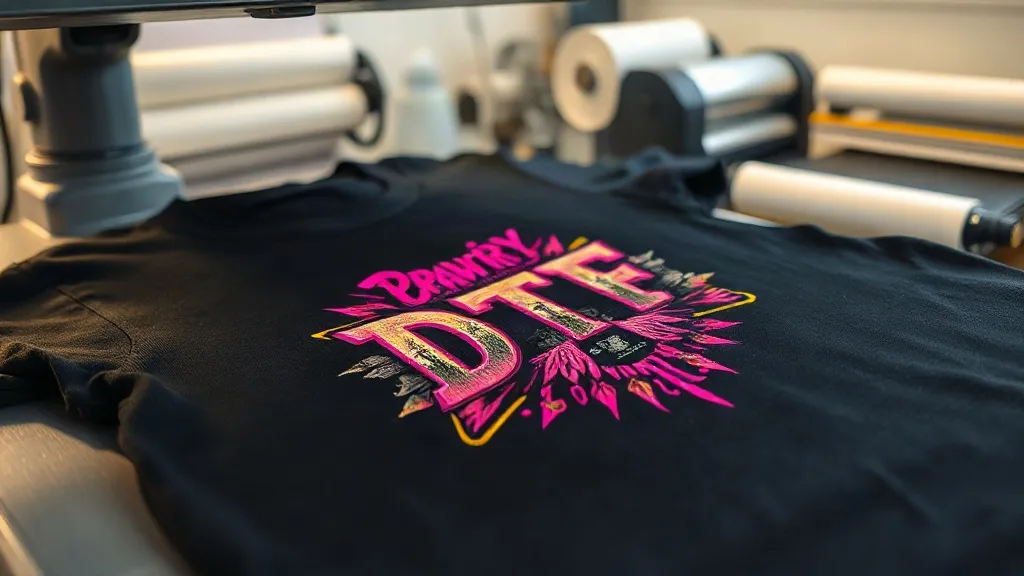
When you walk into a custom apparel shop or browse online for dtf transfers, you'll notice a lot of attention given to bright, colorful designs on light-colored shirts. But what about the dark side? Printing on black, navy, or deep burgundy fabrics brings unique challenges and opportunities. In this guide, we'll explore how DTF transfers work on dark garments, why they often outperform other methods, and how you can achieve stunning, fade-resistant results every time. Whether you're a hobbyist or a professional decorator, understanding the nuances of dark fabric printing will expand your creative possibilities and help you deliver superior products to your customers.
Why Dark Fabrics Are a Challenge for Traditional Printing
If you've ever tried screen printing on a black t-shirt, you know the struggle: opaque white ink is required as a base, and even then, colors can appear muted or require multiple passes. Vinyl heat transfer can look plasticky and crack over time. Direct-to-garment (DTG) printing often struggles with color vibrancy on dark shirts because the white underbase is applied sparingly, leading to dull results. These limitations have long frustrated decorators who want rich, bold prints on dark backgrounds.
DTF transfers, however, sidestep many of these issues. Let's see why.
How DTF Transfers Work on Dark Fabrics
At its core, dtf printing involves printing your design onto a special film using pigment-based inks, then applying a powdered hot-melt adhesive, and finally transferring the design onto fabric with a heat press. The key difference for dark fabrics is the white ink layer: DTF printers lay down a white ink base underneath the color inks. This white layer acts as a foundation, ensuring that colors remain vibrant and true regardless of the fabric's original shade. Because the white ink is applied digitally in precise amounts, you get excellent opacity without the thickness of screen-printed white.
When you press a DTF transfer onto a dark shirt, the adhesive melts and bonds with the fabric fibers, while the white layer sits between the fabric and the color inks. This sandwich structure is what gives DTF its reputation for bright, eye-catching prints on even the darkest materials.
The Role of White Ink in Color Vibrancy
Not all white inks are created equal. Quality DTF transfers use high-opacity white ink that blocks the dark fabric from showing through. Cheaper transfers may skimp on white ink, resulting in a grayish or washed-out appearance. When sourcing dtf transfers near me, look for suppliers who prioritize white ink density. A simple test: hold the transfer film up to the light before pressing. The white areas should appear solid and uniform, not translucent or patchy.
Advantages of DTF Transfers for Dark Garments
So why should you choose DTF over other methods for your dark apparel projects? Here are some compelling reasons:
- Vibrant colors without compromise: The white ink base ensures that yellows, reds, and pastels pop against dark backgrounds, matching the design's intended look.
- No color bleeding: Unlike DTG, where the fabric's color can affect the final hue, DTF's white layer creates a clean canvas.
- Works on a wide range of dark fabrics: From 100% cotton to polyester blends, DTF adheres well, even on stretchy or textured materials.
- Soft hand feel: Despite the white layer, DTF transfers remain flexible and comfortable when applied correctly.
- Durability: Properly applied DTF prints resist cracking, peeling, and fading through repeated washing.
These benefits make DTF a go-to choice for team uniforms, promotional merchandise, and fashion apparel where dark colors are prevalent.
Choosing the Right DTF Transfer for Dark Fabrics
Not all DTF transfers are created equal, especially when it comes to dark fabrics. Here's what to consider when selecting transfers for your project:
White Ink Coverage
As mentioned, the white ink layer is critical. Some transfers use a double layer of white ink for extra opacity, which is ideal for very dark or saturated fabrics. Ask your supplier about their white ink process. If you're producing your own transfers, ensure your printer's white ink density is set appropriately for dark garments.
Film Quality
The film should be able to hold a thick layer of ink without curling or warping during printing. Cheaper films may cause the white ink to crack or flake off before transfer. Look for films designed specifically for DTF printing, with a matte side for ink reception and a glossy side for handling.
Adhesive Powder
The hot-melt adhesive powder must be applied evenly and melted properly. For dark fabrics, a finer powder can penetrate the fabric better, ensuring a strong bond. Some powders are formulated for low-temperature application, which is useful for heat-sensitive dark fabrics like nylon.
Step-by-Step Application on Dark Fabrics
Applying DTF transfers to dark garments requires attention to detail to avoid common pitfalls. Follow these steps for best results:
- Pre-press the garment: This removes moisture and wrinkles, creating a smooth surface. Set your heat press to the recommended temperature (usually 300-325°F) and press for 5-10 seconds.
- Position the transfer: Place the transfer film on the garment with the printed side facing up. Ensure it's centered and straight.
- Press with medium pressure: Apply heat for 10-15 seconds. The pressure should be firm enough to embed the adhesive into the fabric but not so hard that the design spreads.
- Peel the film: Wait a few seconds for the transfer to cool slightly (or peel hot, depending on the film type), then peel the film away smoothly. For dark fabrics, peeling while warm often yields better adhesion.
- Post-press (optional): Cover the design with a Teflon sheet or parchment paper and press again for 5 seconds to enhance durability.
Always test on a scrap piece of the same fabric to dial in your settings.
Common Mistakes to Avoid
Even experienced decorators can run into issues when working with dark fabrics. Here are some mistakes to watch out for:
- Insufficient pressure: If the transfer doesn't adhere properly, it may peel after washing. Increase pressure and ensure the press is evenly calibrated.
- Over-pressing: Too much heat or pressure can cause the white ink to spread, leading to a halo effect around the design.
- Ignoring fabric composition: Some dark fabrics, like those with high elastane content, require lower temperatures to prevent scorching. Always check the fabric's care label.
- Using low-quality transfers: Bargain transfers often skimp on white ink or use inferior adhesive, leading to poor results. Invest in reputable suppliers.
By avoiding these pitfalls, you'll achieve professional-looking prints that withstand the test of time.
Caring for DTF Prints on Dark Fabrics
To keep your DTF-printed dark garments looking fresh, follow these care tips:
- Wash inside out in cold water to reduce abrasion.
- Avoid using bleach or harsh detergents.
- Tumble dry on low or hang to dry.
- Do not iron directly over the print; use a pressing cloth if needed.
With proper care, DTF prints can last for years without significant fading or cracking.
Frequently Asked Questions
Can DTF transfers be used on black polyester?
Yes, DTF transfers work well on polyester, including black polyester. However, polyester can be heat-sensitive, so use a lower temperature (around 280-300°F) and test first. The white ink base ensures colors remain vibrant.
Do DTF transfers crack on dark fabrics?
When applied correctly, DTF transfers are highly durable and resist cracking. Cracking usually occurs due to insufficient pressure, improper peeling, or low-quality transfers. Following the application steps carefully minimizes this risk.
How many washes can a DTF print on dark fabric withstand?
With proper care, a DTF print can last 50+ washes without noticeable fading or peeling. Using cold water and avoiding harsh chemicals extends the life of the print.
Can I layer DTF transfers on dark garments?
Layering is possible but not recommended for beginners, as the white ink layers may become too thick and reduce flexibility. If layering, use a low-temperature adhesive and press each layer lightly before adding the next.
Where can I find high-quality DTF transfers for dark fabrics?
Look for specialized DTF transfer suppliers who offer transfers with high-opacity white ink. Many online retailers provide custom transfers, and you can also produce your own with a DTF printer. For reliable results, choose suppliers with positive reviews and clear specifications.