
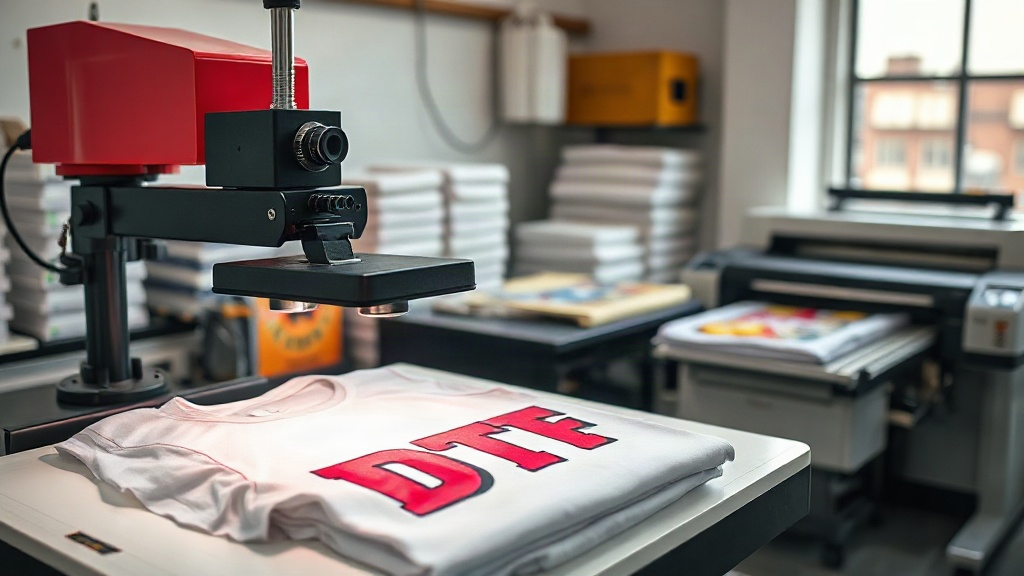
If you've been exploring custom apparel printing, you've likely encountered DTF Transfers. This innovative technology is transforming the way we print on fabrics, offering unmatched versatility and vibrant results. Unlike traditional methods, DTF transfers allow you to print full-color designs on a wide range of materials without the need for extensive setup. In this guide, we'll walk you through everything you need to know to get started with DTF transfers and achieve professional-quality prints at home or in your shop.
What Are DTF Transfers?
DTF stands for Direct-to-Film. It's a printing process where your design is printed onto a special film, coated with a adhesive powder, and then heat-pressed onto the fabric. The result is a soft, flexible, and durable print that can stretch with the garment without cracking. DTF transfers are compatible with cotton, polyester, blends, and even tough materials like canvas and denim. This makes them a favorite for small business owners and hobbyists alike.
Why Choose DTF Transfers Over Other Methods?
When compared to vinyl cutting or screen printing, DTF transfers shine in several areas. First, they require no weeding, which saves hours of tedious work. Second, they produce incredibly detailed, multi-color designs in a single pass. Third, they work on dark and light fabrics without needing separate pre-treatment. Plus, DTF transfers are cost-effective for short runs, making them ideal for custom orders or one-off pieces.
Step-by-Step Guide to Applying DTF Transfers
Applying DTF transfers is straightforward, but following the right steps ensures a flawless finish. Here's how to do it:
- Prepare your heat press: Set the temperature to 325°F (160°C) and preheat the garment for 5-10 seconds to remove moisture.
- Position the transfer: Place the DTF transfer on the garment with the printed side facing up. If your transfer has a clear carrier film, the design should be touching the fabric.
- Press: Apply medium pressure for 15-20 seconds. Use a Teflon sheet or parchment paper to protect the transfer.
- Peel: Wait for the transfer to cool completely (cold peel) before slowly removing the carrier film. For some films, a hot peel is recommended; check your supplier's instructions.
- Post-press: For added durability, press again for 5-10 seconds with a Teflon sheet.
Following these steps will give you a professional-looking print that lasts wash after wash.
Common Mistakes to Avoid with DTF Transfers
Even with a simple process, beginners often run into issues. Here are pitfalls to watch out for:
- Insufficient pressure: Without enough pressure, the transfer won't adhere properly, leading to peeling.
- Wrong temperature: Too hot and the film may scorch; too cold and the adhesive won't activate.
- Peeling too soon: Always follow the recommended peel type (hot or cold). Peeling prematurely can distort the design.
- Not pre-pressing: Moisture in the fabric can cause the transfer to lift. Always pre-press.
- Using the wrong film: Ensure your DTF film is compatible with your printer and ink type.
Avoiding these mistakes will save you time and materials.
Tips for Long-Lasting DTF Prints
To ensure your DTF transfers stand the test of time, consider these expert tips:
- Wash inside out: Turn the garment inside out before washing to reduce abrasion.
- Use cold water: Hot water can weaken the adhesive over time.
- Avoid bleach: Harsh chemicals can degrade the print.
- Tumble dry low or hang dry: High heat can cause cracking.
- Iron inside out: If needed, iron on the reverse side to avoid direct heat on the print.
With proper care, your DTF prints can last as long as the garment itself.
Frequently Asked Questions About DTF Transfers
Can I use DTF transfers on 100% polyester?
Yes, DTF transfers work well on polyester. However, because polyester is heat-sensitive, you should use a lower temperature (around 300°F) and press for a shorter time to avoid scorching. Always test on a scrap piece first.
How do I store unused DTF transfers?
Store them in a cool, dry place away from direct sunlight. Keep them flat or rolled, not folded, to prevent creases. Properly stored transfers can last for several months.
What's the difference between hot peel and cold peel DTF transfers?
Hot peel transfers are designed to be peeled immediately after pressing while still hot, which can give a slightly glossier finish. Cold peel transfers require the film to cool completely before peeling, resulting in a matte finish and often better durability. Always follow the manufacturer's recommendation.
Do I need a special printer for DTF transfers?
You need a printer that uses DTF inks (usually pigment-based) and can print on PET film. Many converted Epson printers are popular for this. Alternatively, you can buy pre-printed transfers from a supplier.
How durable are DTF transfers?
When applied correctly and cared for properly, DTF transfers can withstand 50+ washes without significant fading or cracking. They are known for their durability and flexibility.