
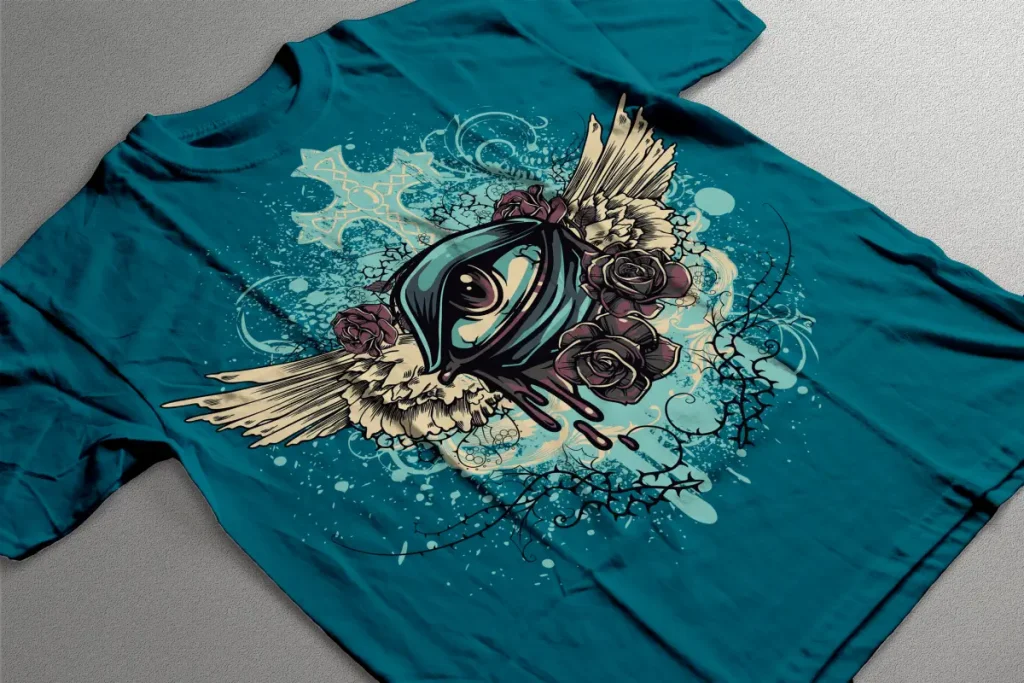
The apparel decoration industry is experiencing a massive paradigm shift, driven by the demand for faster turnaround times, infinite color complexity, and unmatched durability on diverse fabrics. Navigating the world of custom clothing production often requires balancing quality against cost, a hurdle that traditional methods like screen printing and direct-to-garment (DTG) printing frequently fail to overcome completely. Enter the world of high-quality dtf transfers, a disruptive technology that allows independent creators, clothing brands, and local businesses to achieve retail-ready results with minimal equipment overhead and zero color limitations. By bridging the gap between digital precision and textile versatility, this innovative process has redefined the standards of modern garment customization.
For custom apparel decorators looking to elevate their product offerings, relying on older heat transfer systems or expensive screen setups is no longer a sustainable business strategy. Customers today demand vibrant graphics that do not crack after a few laundry cycles, combined with the soft-hand feel typically associated with high-end retail brands. Achieving this level of excellence requires a deeper understanding of the underlying science of modern print films, strategic localization of your supply chain, and mastery over the final heat application process. Embracing this shift allows businesses to scale effortlessly while consistently outperforming the competition.
Deconstructing the Technology: What Makes Film Transfers Different?
To understand why this method has taken the industry by storm, it helps to examine what DTF actually represents and how the engineering behind it operates. Direct-to-Film technology utilizes specialized digital inkjet printers equipped with advanced water-based pigment inks to mirror images directly onto a translucent polyethylene terephthalate (PET) film. The printer deposits a vibrant layer of CMYK inks followed immediately by a solid, precise underbase of white ink, which ensures total opacity regardless of the color of the target garment.
While the ink is still wet, a uniform layer of hot-melt polyurethane adhesive powder is applied across the film. The sheet then passes through a heated curing tunnel or heat press drawer, melting the powder into a flexible, rubberized adhesive layer. When you heat-press this cured film onto a piece of apparel, the adhesive liquefies again, anchoring the pigment deep into the fibers of the textile. This creates a bond that moves, stretches, and breathes with the fabric, overcoming the stiff, plastic-like texture common with traditional heat transfer vinyl or screen-printed transfers.
Key Advantages of Integrating Advanced Print Films
Adopting premium commercial film transfers offers significant structural advantages for apparel decorators, spanning production efficiency, product quality, and material compatibility. Whether managing a small boutique or a high-volume fulfillment center, these benefits directly impact operational profitability and customer satisfaction.
- Unrestricted Fabric Compatibility: Traditional sublimation requires 100% white or light-colored polyester to function, while standard screen printing inks require distinct chemical additives to prevent bleeding on synthetic sportswear. Modern digital transfers eliminate these fabric constraints entirely. They adhere flawlessly to heavy cotton fleece, performance polyester mesh, delicate nylon windbreakers, rugged canvas tote bags, and complex tri-blends, providing a uniform branding solution across your entire product catalog.
- Exceptional Elasticity and Wash Resistance: One of the primary complaints regarding low-grade heat applications is premature cracking and peeling. Premium transfers utilize high-tensile polyurethane adhesives that offer extreme stretchability. The graphic expands and rebounds along with the garment fibers, successfully surviving more than fifty high-temperature industrial wash cycles without experiencing fading, edge lifting, or surface degradation.
- Low-Cost Entry and Minimized Inventory Risk: Screen printing demands hours of preparation, screen burning, and color separation, rendering small orders financially unviable. Digital film transfers empower a print-on-demand workflow. Decorators can print a diverse array of graphics onto a single gang sheet, store the uncut transfers in a climate-controlled space, and press them onto blank garments only after a customer places an order, completely eliminating dead stock.
The Strategic Importance of Localized Sourcing
In the contemporary fast-fashion market, maintaining a responsive and agile supply chain is critical to capturing emerging trends and meeting tight deadlines. While importing custom materials from distant overseas vendors might initially present a minor cost savings on paper, the associated shipping delays, customs complications, and lack of immediate quality verification frequently lead to costly disruptions. This reality is why searching for trusted dtf transfers near me has become a vital operational priority for serious custom apparel professionals.
A localized supply partner allows you to react instantly to unexpected market demands or sudden bulk order requests from corporate clients. If an e-commerce storefront experiences a viral surge in sales for a specific design over a weekend, a local print provider ensures you can secure your high-definition graphics, pick them up within hours, and fulfill your customer orders without waiting days for cross-country shipping. Furthermore, regional sourcing allows for hands-on proofing, enabling you to inspect physical color proofs and material hand-feel before committing to an expansive production run.
Securing Top-Tier Quality Within the Texas Market
For custom decorators operating in competitive regional economies, separating premium output from substandard imitations is essential for long-term brand equity. When attempting to locate the absolute best dtf transfer at Houston, look closely at the technical components utilized by your production partner. Substandard transfers often suffer from a phenomenon known as oily residue migration, where poorly cured plasticizer oils seep through the ink layer, resulting in a sticky, unappealing surface texture that stains garments over time.
True commercial quality relies on the synchronization of industrial-grade printheads, stable premium films that resist static electricity, and precisely balanced curing equipment. High-tier transfers feature an incredibly fine grain of adhesive powder that captures intricate vector details, floating text down to 2-point fonts, and complex semi-transparent gradients. Partnering with a premier manufacturer guarantees that your final products maintain a lightweight, retail-ready feel that feels smooth against the skin and commands premium market pricing.
Scaling Your Production Workflow with Reliable Texas Solutions
Implementing a dedicated Houston dtf transfer workflow enables apparel decorators to optimize physical storage space and maximize machinery utilization. Traditional printing setups require massive dedicated clean-up zones, ventilation systems, and complex darkrooms for screen exposure. Digital transfer systems compress your physical production footprint down to a high-quality commercial heat press and a flat workspace for weeding and alignment, maximizing your revenue per square foot of workspace.
This operational efficiency fundamentally changes how local businesses approach corporate merchandising, school spirit wear, and live event printing. By storing pre-printed, cured transfer sheets in compact, dust-free storage bins, you can manage an extensive catalog of graphic options while keeping your physical inventory of blank garments completely fluid. When an order materializes, the production time is reduced to a simple fifteen-second heat press cycle, allowing a single operator to produce hundreds of customized garments per day with minimal physical fatigue.
Professional Heat Press Application Guide
While the chemical makeup and print quality of the film are foundational, achieving a flawless, permanent bond depends entirely on executing the heat transfer process with precision. Minor variances in temperature or pressure can lead to incomplete adhesive activation. Follow this commercial application protocol to guarantee optimal results with every press.
- Perform a Dehumidifying Pre-Press: Position your blank garment on the lower platen of your heat press and lock it down under medium pressure for 4 to 6 seconds. This step drives out ambient moisture trapped deep within the textile fibers and flattens out any seams or wrinkles, preventing steam pockets from disrupting the adhesive bond.
- Precisely Align the Transfer: Place your cut transfer sheet onto the pre-pressed garment with the printed ink side down and the matte release film facing upward. Utilize a alignment ruler or laser guide to verify that the graphic is perfectly square relative to the collar, shoulders, and center line of the apparel.
- Execute the Primary Thermal Bond: Lower your heat press platen. For standard 100% cotton garments, configure your machine to 300°F (150°C) and apply heavy, consistent pressure for 12 to 15 seconds. For delicate polyesters or performance synthetic blends, reduce the temperature to 275°F (135°C) to prevent fabric scorching, extending the press time to 18 seconds if necessary.
- Allow for a Complete Cold Peel: Carefully lift the heat press platen and transfer the garment onto a flat, clean cooling table. Allow the textile to reach room temperature completely before attempting to remove the film. Premium release films are engineered to release cleanly only when the polyurethane adhesive has re-solidified, ensuring sharp, crisp graphic edges without lifting fine details.
- Apply the Finishing Matte Post-Press: Once the release film is removed, place the garment back onto the lower platen. Cover the exposed graphic with a sheet of premium parchment paper or a silicone treated finishing sheet, then press down for a final 5 seconds under firm pressure. This step locks the graphic deep into the weave of the fabric and eliminates any residual glossy shine, producing a high-end retail matte texture.
Frequently Asked Questions
Why does my transfer feel stiff or heavy immediately after pressing?
A stiff or heavy hand feel is typically caused by applying an excessive amount of hot-melt adhesive powder or using a lower-grade coarse powder formulation. Premium production methods utilize ultra-fine, flexible polyurethane powders that dissolve completely into a thin, pliable layer. Additionally, performing a proper finishing post-press with parchment paper helps soften the design, integrating it seamlessly into the knit of the textile.
How do I prevent dye migration when printing on dark polyester garments?
Dye migration occurs when the synthetic dyes in polyester fabrics gas out under high temperatures and bleed into the white ink layer of your transfer, changing a white graphic into a dull gray or pink. To prevent this, utilize specialized low-temperature transfers paired with a dedicated anti-migration block ink layer. Reducing your heat press temperature to 275°F (135°C) also minimizes the activation of the fabric dyes.
What is the shelf life of an unapplied digital transfer sheet?
When stored in optimal environmental conditions, high-quality cured transfers can be kept safely for up to one full year before application. It is vital to store the sheets completely flat inside airtight plastic containers or heavy-duty resealable bags. Keep the storage environment maintained at room temperature with low relative humidity, as excess moisture in the air can compromise the dry adhesive powder over time.
Transforming Your Brand Vision with Harwin DTF
Succeeding in the modern custom apparel space requires a dedication to utilizing the most dependable, visually stunning decoration methods available. Constantly fighting with clogged screens, messy ink clean-ups, or brittle vinyl materials limits your creative output and slows your path to true profitability. Partnering with Harwin DTF provides your business with access to state-of-the-art commercial print films that deliver breathtaking color accuracy, razor-sharp edge details, and unmatched wash durability. Let us handle the heavy manufacturing lifting so you can focus entirely on designing, marketing, and scaling your brand. Contact our team today to discover how our premium production solutions can optimize your workflow and elevate your custom apparel collection to a professional retail standard.