
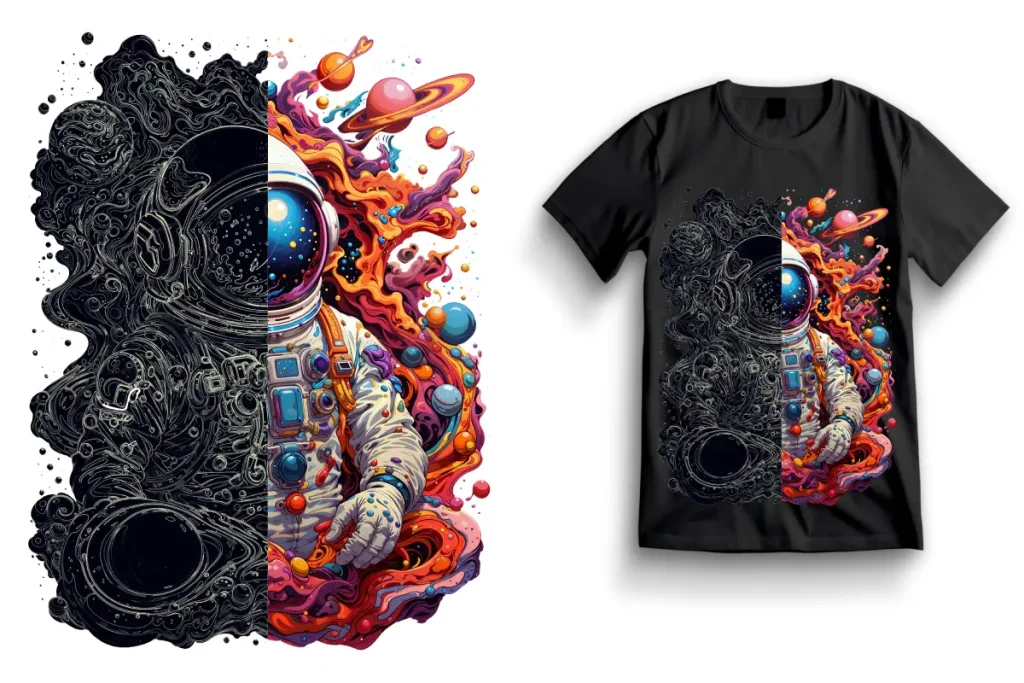
In the rapidly evolving world of apparel customization, finding a printing method that perfectly balances vibrant colors, intricate details, and long-lasting durability has always been the ultimate goal. For years, creators and business owners had to choose between the soft feel of screen printing and the full-color capabilities of direct-to-garment processes. However, a major shift occurred with the rise of dtf transfers, a groundbreaking technology that has fundamentally transformed how we decorate textiles. Whether you are running a high-volume streetwear brand or working on a localized promotional project, this innovative method provides the flexibility and quality needed to make your designs truly stand out in a crowded market.
The beauty of modern garment decoration lies in precision and accessibility. Today, apparel decorators no longer need to invest tens of thousands of dollars in bulky, high-maintenance machinery just to produce a handful of multi-colored shirts. By shifting to high-quality film prints, small businesses and independent designers can achieve retail-grade results right from their own workshops or storefronts. Understanding how this process functions, why it outperforms traditional alternatives, and how to source the highest quality prints locally is the key to scaling your apparel business in today’s competitive landscape.
What is DTF and Why is It Revolutionizing Apparel Printing?
To truly appreciate the impact of this technology, it helps to break down what DTF stands for and how the process operates. Direct-to-Film printing involves digital imaging onto a specialized polyethylene terephthalate (PET) film. Unlike older transfer methods that relied on heavy vinyl or sublimation inks that only bonded with polyester, this process utilizes advanced water-based inks layered with a white underbase. Once the design is printed onto the film, a hot-melt adhesive powder is applied and cured, creating a flexible, robust transfer ready to be heat-pressed onto almost any fabric imaginable.
This technical framework solves the historical limitations of textile printing. Screen printing requires intensive setup times, separate screens for every color, and significant clean-up, making small production runs financially impractical. Direct-to-garment (DTG) printing eliminates screen setups but demands meticulous pre-treatment of fabrics and struggles to maintain vibrancy on darker garments. Modern film transfers bypass both hurdles completely. You receive a fully prepared, vibrant graphic that can be applied to cotton, polyester, nylon, canvas, or blends within seconds, without any pre-treatment or complex multi-stage setups.
The Concrete Benefits of High-Quality Film Transfers
When selecting a printing method for your apparel line, performance, aesthetics, and economic efficiency are the three pillars that dictate success. High-quality film transfers deliver exceptional results across all three categories, offering unique advantages that traditional methods simply cannot match.
- Exceptional Versatility of Fabric Selection: One of the greatest frustrations in custom apparel is fabric compatibility. Sublimation requires light-colored 100% polyester, while traditional screen printing ink can sometimes scorch sensitive synthetic fibers. Film transfers break down these barriers entirely. They adhere beautifully to heavy cotton hoodies, sleek polyester athletic wear, rugged nylon jackets, and even coarse canvas tote bags, allowing you to maintain uniform branding across wildly diverse product lines.
- Incredible Washability and Durability: A common worry with heat-applied graphics is that they will crack, peel, or fade after a few trips through the washing machine. Premium transfers are engineered to stretch and rebound along with the fabric. The high-grade TPU adhesive powder ensures that the design fuses deeply with the textile fibers, resulting in prints that routinely withstand more than fifty rigorous wash cycles without losing their crisp edges or color brilliance.
- Unmatched Detail and Vivid Color Spectrum: Because the designs are printed digitally onto a stable film rather than directly onto porous fabric fibers, there is zero ink bleeding or dot gain. This allows for incredibly fine text, complex gradients, photorealistic imagery, and micro-details that would be impossible to capture on a standard screen printing setup. The brilliant white underbase guarantees that even when applied to a pitch-black garment, the colors remain strikingly vibrant and opaque.
Sourcing Locally: Why Finding Reliable Printing Near You Matters
In the fast-paced world of fashion and custom merchandise, timing is everything. While ordering prints from overseas or distant facilities might look attractive on a spreadsheet initially, the hidden costs of shipping delays, damaged goods, and communication barriers can quickly erode your profit margins. This is exactly why searching for dependable dtf transfers near me has become the preferred strategy for smart business owners who prioritize agility and quality control.
Partnering with a nearby production facility changes how you manage inventory and client demands. If a client suddenly requests an additional twenty shirts for an event happening over the weekend, waiting five business days for shipping is out of the question. A local partner allows you to submit your artwork, have the films printed, and pick them up or receive them via local courier within a fraction of the time. Furthermore, local sourcing gives you the unique opportunity to inspect physical samples, verify color accuracy, and build a real human relationship with the experts producing your materials.
Discovering the Best DTF Transfer at Houston
For businesses operating in the heart of Texas, the local market is thriving but highly competitive. If you want to secure the absolute best dtf transfer at Houston, you must look beyond just the lowest price per square inch. True quality is determined by the specific combination of machinery, commercial-grade inks, and premium films utilized during production. Cheap alternatives frequently suffer from ink migration, a sticky oil residue caused by poor curing, or a stiff, heavy texture that ruins the comfort of the garment.
When evaluating premium local providers, pay close attention to their production standards. The finest producers utilize industrial printheads that maintain consistent ink density, ensuring that the first print on a gang sheet matches the last print perfectly. They also employ precise powder-shaking and curing tunnels that completely activate the adhesive without overheating the film. Selecting a top-tier provider ensures that your final products will have a soft, lightweight feel on the body, premium stretchability, and the professional look that retail consumers demand.
Optimizing Your Business with Houston DTF Transfer Solutions
Integrating a reliable Houston dtf transfer workflow into your current business model unlocks massive scaling potential. Traditionally, apparel businesses had to gamble on inventory, guessing which sizes and design variations would sell best, resulting in unsold stock or missed sales opportunities. By leveraging high-quality transfers, you can completely transition into a highly efficient, on-demand production framework.
Imagine keeping an inventory of blank t-shirts, sweatshirts, and hats in your warehouse alongside a library of your pre-printed film designs stored safely in climate-controlled drawers. When an order drops on your e-commerce platform, you simply grab the required blank item, align the pre-printed film, press it for fifteen seconds, and ship it out. This method minimizes upfront capital investment, drastically reduces physical storage requirements, and allows you to offer a massive catalog of designs to your audience with virtually zero financial risk.
Step-by-Step Guide to Flawless Application
While the quality of the printed film itself is paramount, the final outcome relies heavily on proper application technique. Even the highest-grade transfer will fail to perform if it is not pressed with the correct combination of temperature, time, and pressure. Follow this professional workflow to guarantee perfect results every single time.
- Pre-Press the Garment: Place your blank apparel on the heat press and clamp it down for 3 to 5 seconds. This crucial step removes any natural moisture locked within the fabric fibers and flattens out wrinkles, creating an optimized, perfectly smooth canvas for the transfer adhesive.
- Position the Design: Carefully place your film transfer onto the garment with the printed side facing down and the clear carrier sheet facing up. Take your time to measure alignment, ensuring the graphic is centered and positioned correctly relative to the collar or seams.
- Execute the First Press: Lower your heat press. For standard cotton garments, set your equipment between 285°F and 300°F (140°C to 150°C) and apply medium to firm pressure for 12 to 15 seconds. If you are working with sensitive synthetic materials like polyester, lower the temperature slightly to prevent fabric scorching or dye migration.
- The Cooling Phase (Crucial): Once the timer sounds, open the press and carefully remove the garment. Lay it flat on a clean surface and allow it to cool down completely to room temperature. Premium transfers are typically “cold peel,” meaning the adhesive must fully solidify and lock into the fabric fibers before you remove the plastic carrier film. Peeling while hot can distort the edges of your design.
- The Post-Press (The Secret to Longevity): After smoothly peeling away the clear carrier sheet, place the garment back onto the heat press. Cover the exposed design with a sheet of parchment paper or a protective Teflon sheet and press for an additional 5 seconds. This final press softens the texture of the print, fuses it deeper into the knit of the fabric, and gives it a highly professional, matte finish.
Frequently Asked Questions
Can I apply these transfers using a standard household iron?
While it is technically possible to transfer the design with a home iron for minor DIY projects, it is highly discouraged for commercial purposes. Professional results require uniform heat distribution and consistent, heavy pressure across the entire surface of the graphic. Household irons typically have uneven heat zones and cannot generate the sustained pressure required to achieve true commercial-grade washability.
How should I store my unused film transfers?
Unused transfers should be kept in a cool, dry environment completely free from excess humidity and direct sunlight. Storing them inside a sealed plastic container or an airtight resealable bag protects the adhesive powder from moisture absorption. When stored properly under stable climate conditions, the films can remain perfectly viable for up to a full year before application.
What causes a transfer to peel off after the very first wash?
If a graphic begins to lift or peel after a single wash, the root cause is almost always inadequate heat, insufficient pressure, or an incomplete pre-press cycle during application. If the fabric contains residual moisture or if the heat press did not apply enough force, the adhesive powder cannot liquefy and bond with the textile fibers correctly. Always verify your equipment settings using a standalone thermometer if you suspect inconsistent heating.
Elevating Your Brand with Harwin DTF
In the modern custom apparel market, survival and growth depend entirely on the quality of the products you deliver to your community. Outdated decoration methods that crack over time or limit your creative vision will ultimately hold your business back. By partnering with Harwin DTF, you gain access to commercial-grade, ultra-vibrant film prints that streamline your entire production workflow, lower your operating costs, and give your brand a decisive competitive edge. Stop turning away complex multi-color orders or wrestling with temperamental printing setups. Explore our premium custom options today and discover how effortless scaling your product line can truly be.