
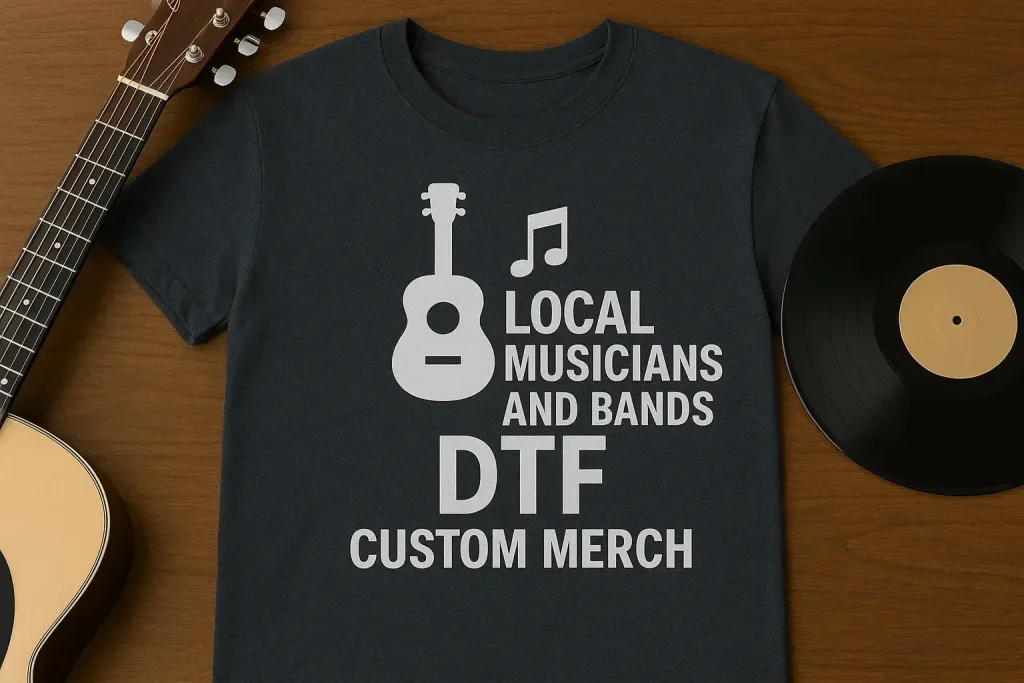
DTF for Merch opens a fast and flexible path for independent brands to bring designs to life, offering a scalable workflow that fits lean teams, seasonal drops, and personal projects alike, while enabling you to move from concept to product with confidence rather than compromise. It supports a broad range of styles, from bold streetwear to more understated basics, and reduces the barrier to entry by cutting setup time, simplifying material choices, and allowing experimentation without risking a mountain of dead stock. With this approach, designers can iterate quickly, test colorways, and preview how finished graphics will feel on real garments early in the process, long before a large run is committed, and you can begin validating prints across multiple fabrics and fits. Print workflows built around a transfer film and heat process let you reproduce vibrant art on a wide array of fabrics, offering consistent color fidelity and a soft hand that customers notice and appreciate, while showing that DTF vs screen printing can offer faster setup and greater flexibility for small runs. If you are planning a launch, you can approach it with a lean, market-tested roadmap: validate concepts, choose reliable supplies and equipment, and build a production SOP that keeps output consistent as your catalog grows and you expand into new colors, fabrics, and regional markets.
To frame the concept in broader terms, this is a film-based transfer method that translates art into wearable graphics with precision, enabling on-demand apparel production without large minimum orders. The approach aligns with modern e-commerce and lean manufacturing, where color accuracy and durability matter across cotton, blends, and synthetics. Designers and merch teams can leverage scalable workflows, standardized procedures, and supplier partnerships to iterate faster, test market reactions, and grow a catalog without overcommitting capital.
DTF for Merch: How Direct-to-Film Transfers Work
Direct-to-Film transfers start with a standard inkjet printer applying water-based inks onto a special transfer film. After printing, a powder adhesive is applied, the film is cured, and the image is transferred to fabric with heat and pressure. The result is a soft hand feel, vibrant color, and compatibility across fabrics. This workflow, often called Direct-to-Film transfers, can be faster and more flexible than traditional methods and is particularly attractive for merch creators seeking rapid concept-to-product cycles. In the context of DTF for Merch, the process lets independent brands move from idea to product with fewer upfront constraints.
Because DTF printing for apparel supports white ink on dark fabrics and full-color imagery, you can test complex designs without high setup costs. The technique also minimizes color-separation complexity compared to screens or multiple DTG passes, making it easier to scale single designs into small runs. For designers who want to see results quickly, DTF offers a practical path to sample-first merchandising while preserving print quality and durability.
DTF Printing for Apparel: Benefits Over Traditional Methods
The advantages of DTF printing for apparel include rich color, smooth gradients, and the ability to reproduce photographic artwork on a wide range of fabrics, including cotton and blends. When you compare DTF printing for apparel to traditional methods, DTF vs screen printing typically offers comparable color fidelity with lower setup costs and fewer color-separation constraints. This makes DTF printing for apparel a strong option for small brands testing multiple designs without committing to large runs.
Another key benefit is workflow adaptability. You can print on white and dark garments with consistent results, and the process scales from one-off prototypes to small batches without expensive screens or specialty inks. Lean inventory and rapid iteration align well with how to launch a clothing line with DTF, letting you validate designs before investing in production.
Planning Your Clothing Line with DTF: Design to Sample
Effective planning starts with audience intent, garment types, and how artwork translates across fabrics. DTF excels with full-color artwork, photographic images, and bold typography, so keep color separations clean and avoid overly fine details that won’t reproduce well at small sizes. Prepare files with a vector-friendly workflow and ensure color profiles align with your printer’s capabilities to maintain consistency across batches.
From concept to samples, design discipline helps you move quickly. Consider signature motifs that translate well to full-color transfers and test designs on multiple fabrics to evaluate hand feel, color accuracy, and durability. This stage sets the foundation for a scalable DTF production line and supports a smoother path to a successful merch drop.
DTF Printing Supplies and Equipment: What You Need
A reliable DTF printing supplies and equipment setup includes a compatible inkjet printer, DTF inks, transfer film, adhesive powder, a curing device, and a capable heat press. The printer and inks determine color accuracy and durability, while transfer film affects how cleanly images peel and transfer to fabric. The adhesive powder protects the image during transfer and helps it bond under heat and pressure, making these consumables essential to a consistent workflow.
Your choice of curing method and the heat press settings influence final results just as much as file preparation. Building a well-curated supply line and establishing SOPs for powder application, curing, and transfer helps minimize variability across runs. Investing in maintenance and periodic calibration keeps your equipment performing at peak efficiency for scalable merch production.
Quality Control and Troubleshooting in DTF Runs
Quality control is essential in DTF for Merch. Inspect prints for color consistency, check for any leftover powder residue after curing, and perform wash tests to verify colorfastness and durability. Verify that transfers adhere well to different fabrics and that the hand feel remains smooth after multiple washes.
If you notice cracking, edge wear, or color shifts, adjust curing time, pressure, or temperature, and re-test with sample garments. Maintaining consistent file preparation, powder application, and cleaning procedures reduces variability. Regular testing against a defined SOP helps your team produce reliable results when launching new designs or running limited editions.
Launching a DTF Merch Brand: From Concept to Market
Market-ready success starts with validating your concept and building a core collection on a few fabric types. Create test designs, print samples, and gather feedback before a broader release. Work with trusted suppliers for inks, powders, and films, and set up reliable SOPs to keep the workflow predictable as you scale from a few units to larger runs.
A practical launch plan combines solid design with smart marketing. Develop an online storefront, plan a limited release, and promote through social media, influencer partnerships, and email campaigns. The DTF pathway offers a fast, flexible route to launching a clothing line with DTF that resonates with customers and adapts to demand, while keeping production lean and responsive.
Frequently Asked Questions
What is DTF for Merch and how do Direct-to-Film transfers work?
DTF for Merch uses Direct-to-Film printing with water-based inks on a special transfer film. The process prints images on film, applies an adhesive powder, cures the film, and then transfers the design to fabric with a heat press. The result is a soft hand feel with high color fidelity and durability across cotton, blends, and dark garments, making it ideal for rapid merch production.
DTF printing for apparel: what are the main advantages over DTG or screen printing?
DTF printing for apparel delivers rich color, smooth gradients, and full-color graphics with lower upfront costs and simpler setup than screen printing. It works well on white and dark fabrics and scales from one-off prototypes to small runs, enabling faster iterations and reduced risk for new designs.
How to launch a clothing line with DTF?
Start by validating your concept with a small core collection. Test designs on multiple fabrics to verify hand feel and color accuracy, then establish a reliable workflow and clear SOPs. Choose reputable DTF printing supplies and equipment, set up an online storefront, and plan a lean marketing launch to gauge demand before expanding.
What are the essential DTF printing supplies and equipment?
A typical DTF setup includes a compatible inkjet printer, DTF inks, transfer film, adhesive powder, a curing device, and a heat press. Printer quality and ink color accuracy influence fidelity, while film and powder affect transfer cleanliness and durability. Regular calibration and proper curing help ensure repeatable results.
How do you ensure quality control and durability with Direct-to-Film transfers?
Implement consistent quality checks: inspect color consistency, ensure no residual powder after curing, and perform wash tests to assess colorfastness and hand feel. If transfers crack or peel, adjust curing time, temperature, or fabric weight, and maintain a standard operating procedure to minimize variability.
What common mistakes should you avoid when using DTF for Merch?
Common pitfalls include skipping proper file prep and color management, under-curing or over-curing transfers, and neglecting thorough quality testing or wash testing. Build a small sample library, run practice batches, and develop clear guidelines for your team to ensure consistent results across runs.
| Aspect | Key Points |
|---|---|
| What is DTF for Merch and how it works | Direct-to-Film printing uses a standard inkjet to apply water-based inks to a transfer film, then adhesive powder is applied, the film is cured, and the image is transferred to fabric with a heat press. Results include soft hand feel, high color fidelity, and durability across cotton, blends, and dark fabrics. |
| Why choose DTF for Merch | Offers vibrant color and gradients with lower setup costs and fewer color-separation constraints; fabric-friendly for white and dark garments; scalable from prototypes to small batches; enables fast iteration with lean inventory. |
| Planning your clothing line | Define audience and garment types; plan for full-color artwork; optimize designs for printing (clean color separations, avoid overly fine details, color management); use vector-friendly workflows and aligned color profiles. |
| Equipment and supplies | Compatible inkjet printer, DTF inks, transfer film, adhesive powder, curing device, heat press; powder and curing are crucial for durability and clean transfers. |
| DTF printing workflow | Prepare design with color management; print on DTF film (white ink as needed); apply adhesive powder; cure; transfer with heat press (typical 300–320°F for 20–25s); peel; optional second finishing press. |
| Quality control | Check color consistency, ensure no powder residue after curing, and verify transfers via wash tests. Adjust curing time or fabric weight if issues occur; ensure durability and consistent hand feel. |
| Comparing DTF with other methods | DTF vs screen printing: faster, more flexible for small batches; screen printing excels for large batches and simple colors but has higher setup. DTG: DTF offers broader fabric compatibility and long shelf life. Choose based on batch size, color complexity, and fabrics. |
| Launching a clothing line with DTF | Validate concept with a small collection across fabric types; work with trusted suppliers and establish reliable SOPs; plan for maintenance and consumables to avoid downtime. |
| Practical guide to launching | Define brand niche, develop a signature style, create test designs, choose reliable printer, inks, film, powder, and heat press; build an online storefront and plan limited releases with marketing. |
| Common mistakes | Poor file prep or color management, insufficient curing or heat, skipped quality testing, lack of sample library, and vague team guidelines; mitigate with practice runs and clear SOPs. |
| Market opportunities | Fast, flexible, affordable production for limited editions, collaborations, and seasonal drops; lean ecommerce integration helps test demand and scale up. |
| Summary | DTF for Merch provides a practical, adaptable path to vibrant, durable graphics with a streamlined workflow. Compared with other methods, DTF excels in customization, color depth, and fabric compatibility, enabling rapid concept-to-product cycles for merch lines. |
Summary
DTF for Merch provides a practical, adaptable path to vibrant, durable graphics with a streamlined workflow. Compared with other methods, DTF for Merch excels in customization, color depth, and fabric compatibility, enabling rapid concept-to-product cycles for merch lines.