
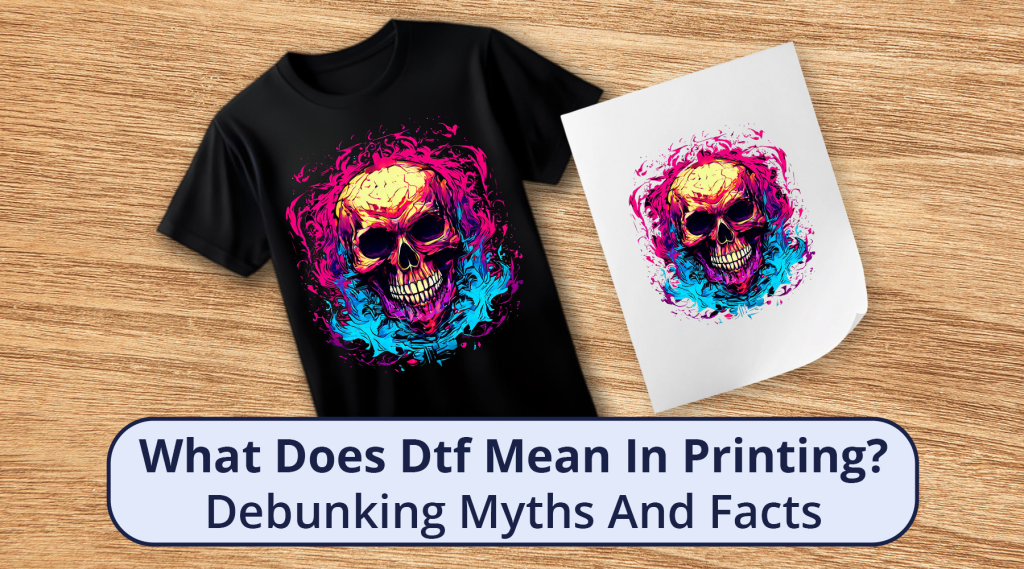
DTF printing misconceptions can often cloud the true potential of this innovative fabric printing technology. Many believe that DTF prints lack durability or fade quickly after just a few washes, which is far from the reality. In fact, when executed correctly, DTF printing exhibits impressive durability, making it suitable for various applications. Additionally, the cost of DTF printing is frequently misjudged, with many thinking it is too expensive for small businesses. However, its long-term cost-effectiveness, combined with its ability to print on a wide range of fabrics, positions DTF printing as a competitive alternative to traditional methods like screen printing.
When exploring the realm of Direct-to-Film printing, it’s important to understand some of the misleading assumptions that circulate about this fabric printing technique. Often referred to simply as DTF, this method stands out for its versatility and efficiency in producing high-quality prints across an array of materials. Despite what some may suggest, DTF printing does not only cater to specialized fabrics; it embraces many options, making it accessible for a variety of projects. Many newcomers may also find the process daunting, leading to the misconception that it necessitates advanced skills. Nevertheless, with proper guidance and resources, mastering DTF printing becomes an achievable goal for anyone looking to enhance their creative printing ventures.
Understanding DTF Printing Durability
One of the most significant advantages of DTF printing is its exceptional durability. Unlike other fabric printing methods that may yield results that fade or degrade after a few washes, DTF prints are engineered to endure the test of time. The process uses specialized adhesive powders and heat application, which enhances adhesion and allows the inks to bond deeply with the fabric. This robust combination ensures that DTF prints maintain their vibrancy and integrity even after repeated laundering, making them ideal for garments that demand high durability.
Furthermore, advancements in DTF printing technology have led to more resilient inks that withstand environmental factors such as sunlight and moisture. This capability not only bolsters the overall lifespan of the prints but also supports their use in various commercial applications, including outdoor apparel and promotional items. With proper care, DTF prints can last significantly longer than many users expect, dispelling the myth that they are prone to rapid fading.
The Cost of DTF Printing: A Long-Term Investment
When considering the cost of DTF printing, it’s essential to look beyond the initial equipment investment. Many small business owners express concern over the high upfront costs associated with acquiring a DTF printer and necessary accessories. However, the real value lies in the long-term savings that DTF printing can offer. This method is not only cost-effective in terms of material usage but also minimizes waste, making it a financially savvy option for businesses looking to maximize their profits.
Moreover, DTF printing is incredibly versatile, allowing users to produce both small batches and larger orders without significant adjustments in setup or material requirements. This flexibility translates to lower overall printing costs compared to traditional methods like screen printing or Direct-to-Garment (DTG) printing, which involve more considerable setup fees and limited run sizes. Consequently, despite the initial perception of high expenses, DTF printing proves itself as an economically sound choice in the long run.
DTF Printing Fabric Compatibility: Embracing Versatility
One of the key features that set DTF printing apart is its compatibility with a wide range of fabrics. Many newcomers in the fabric printing world mistakenly believe that DTF printing is limited to specific material types. However, this technology supports printing on cotton, polyester, blends, and various other textiles, allowing businesses to expand their design options extensively. This adaptability is particularly beneficial for custom apparel and niche markets that demand diverse fabric choices.
The ability to use DTF printing on a variety of substrates opens numerous avenues for creativity and product development. Designers can experiment with combinations of fabrics and textures, creating unique offerings that cater to contemporary fashion trends. Additionally, this compatibility reduces inventory costs since businesses can stock fewer fabric types while still meeting a wide array of customer demands, making DTF printing an invaluable resource in today’s competitive market.
Demystifying DTF Printing Complexity
Many people interested in DTF printing often perceive it as a complicated process, but this image can discourage potential users from exploring its benefits. While it does involve multiple steps, such as artwork preparation, printing, powder application, and heat pressing, these elements can be learned and mastered with practice. Many resources are available, from online tutorials to training programs offered by manufacturers, that simplify the learning curve for newcomers.
Additionally, the perception of complexity diminishes as users become familiar with the equipment and processes. As individuals gain more confidence in their skills, they often find that DTF printing can be streamlined for efficiency and quality output. This gradual journey from novice to proficient user is supported by a growing community of DTF printing enthusiasts and professionals who share tips and best practices, making the venture into this printing realm not just attainable but also enjoyable.
Quality Comparison: DTF vs. Other Printing Methods
One common misconception is that DTF printing cannot compete in quality with traditional methods such as screen printing or DTG printing. However, recent advancements in DTF technology indicate otherwise. DTF prints are capable of an impressive level of detail, and their color vibrancy often matches or surpasses what can be achieved through other techniques. With advancements in ink formulations and printing technology, DTF is challenging the traditional notions of quality in the fabric printing landscape.
Moreover, DTF printing offers advantages in terms of color mixing and design complexity. It allows for intricate patterns and photographic images to be reproduced effectively, catering to high-end design requirements. As technology continues to evolve, the quality gap between DTF and traditional printing methods continues to close, solidifying its position as a leading choice for custom printing applications.
Addressing DTF Printing Misconceptions Head-On
The misconceptions surrounding DTF printing often stem from a lack of information or outdated perceptions about the technology. By providing concrete facts and evidence against these myths, individuals and businesses can make informed decisions about whether to incorporate DTF printing into their operations. This process of debunking misconceptions is crucial not only for individual enlightenment but also for advancing industry standards and embracing innovative printing methods.
Clarifying these misconceptions can help businesses capitalize on the advantages of DTF printing, such as its durability and versatility. It enables them to explore new markets and satisfy customer demands with high-quality, durable products, all while keeping printing costs manageable. In a rapidly evolving landscape where customization and speed are paramount, addressing DTF printing myths is essential for businesses eager to leverage the full potential of this groundbreaking printing technology.
Frequently Asked Questions
What are the misconceptions about DTF printing durability?
One prevalent misconception is that DTF printing durability is inferior, leading to quick fading after washes. However, when done correctly, DTF prints can be remarkably durable, maintaining vibrancy and detail over numerous washes thanks to the effective adhesion process that combines adhesive powder and heat pressing.
Is the cost of DTF printing too high for small businesses?
Many believe that the cost of DTF printing is prohibitive for small businesses. In reality, while initial equipment investment may be high, DTF printing proves cost-effective over time by reducing waste and allowing for flexible production batches, ultimately lowering overall printing expenses compared to traditional methods like screen printing.
Only certain fabrics can be used with DTF printing—true or false?
This is a common myth. The reality is that DTF printing is compatible with a wide variety of fabrics, including cotton, polyester, and blended materials. This versatility allows users to create diverse designs across many fabric types, making it an excellent choice for various applications in the printing industry.
Is DTF printing complicated to learn and execute?
Many newcomers fear that DTF printing is complicated, but this is a misconception. With proper training and resources, users can easily understand the DTF printing process. Many companies offer support and tutorials, making it accessible for anyone interested in mastering this technology.
Can DTF prints compete with screen printing in terms of quality?
A common belief is that DTF prints do not match the quality of screen printing. Contrary to this, DTF printing can produce intricate designs and vibrant colors, often matching or exceeding the quality of traditional methods like screen printing and DTG, thanks to advancements in printing technology.
How does DTF printing work compared to traditional printing methods?
Many people are unclear about how DTF printing works compared to traditional options. In essence, DTF printing involves printing designs onto a film, applying adhesive, and then using a heat press to transfer the design onto the fabric. This allows for high resolution and vibrant prints, distinguishing it from methods like screen printing which involve separate stencils for each color.
| Myth | Reality |
|---|---|
| DTF Prints Don’t Last Long | DTF prints are durable when properly executed, and can withstand multiple washes without significant fading. |
| DTF Printing Is Too Expensive | The initial investment may seem high, but it is cost-effective in the long run due to reduced waste and versatility. |
| Only Certain Fabrics Are Suitable for DTF | DTF printing is compatible with a wide range of fabrics including cotton, polyester, and blends. |
| DTF Printing Is Complicated | With adequate training and resources, the process can be learned easily; it is not overly complex. |
| DTF Prints Cannot Compete with Other Methods | DTF prints can match or exceed the quality of traditional methods, with vibrant colors and intricate designs. |
Summary
DTF printing misconceptions can often mislead potential users about its true capabilities. Many people incorrectly believe that DTF prints lack durability, are overly expensive, or can only work with specific fabrics. In reality, DTF printing offers significant durability, cost-effectiveness, and versatility across various material types, while also being learnable without excessive complexity. Furthermore, the print quality of DTF can rival traditional methods, making it a strong competitor in the custom printing market. Understanding these factors can empower businesses and individuals to embrace DTF printing, leveraging its advantages to meet modern printing demands.